Why Social-First Brands Need Films That Actually Convert
Commercial film production in Delhi is not just about big sets and glossy frames anymore. If your main stage is Reels, Shorts, and Stories, then old-school TV-style ads usually get skipped in seconds. Social-first audiences swipe fast, judge faster, and stay only when something feels real, quick, and made for their screen.
People in Delhi and across India are scrolling on the metro, in office breaks, and late at night. They have zero patience for content that looks like it was cut down from a TVC. They want films that feel native to the platform, talk in their language, and get to the point quickly.
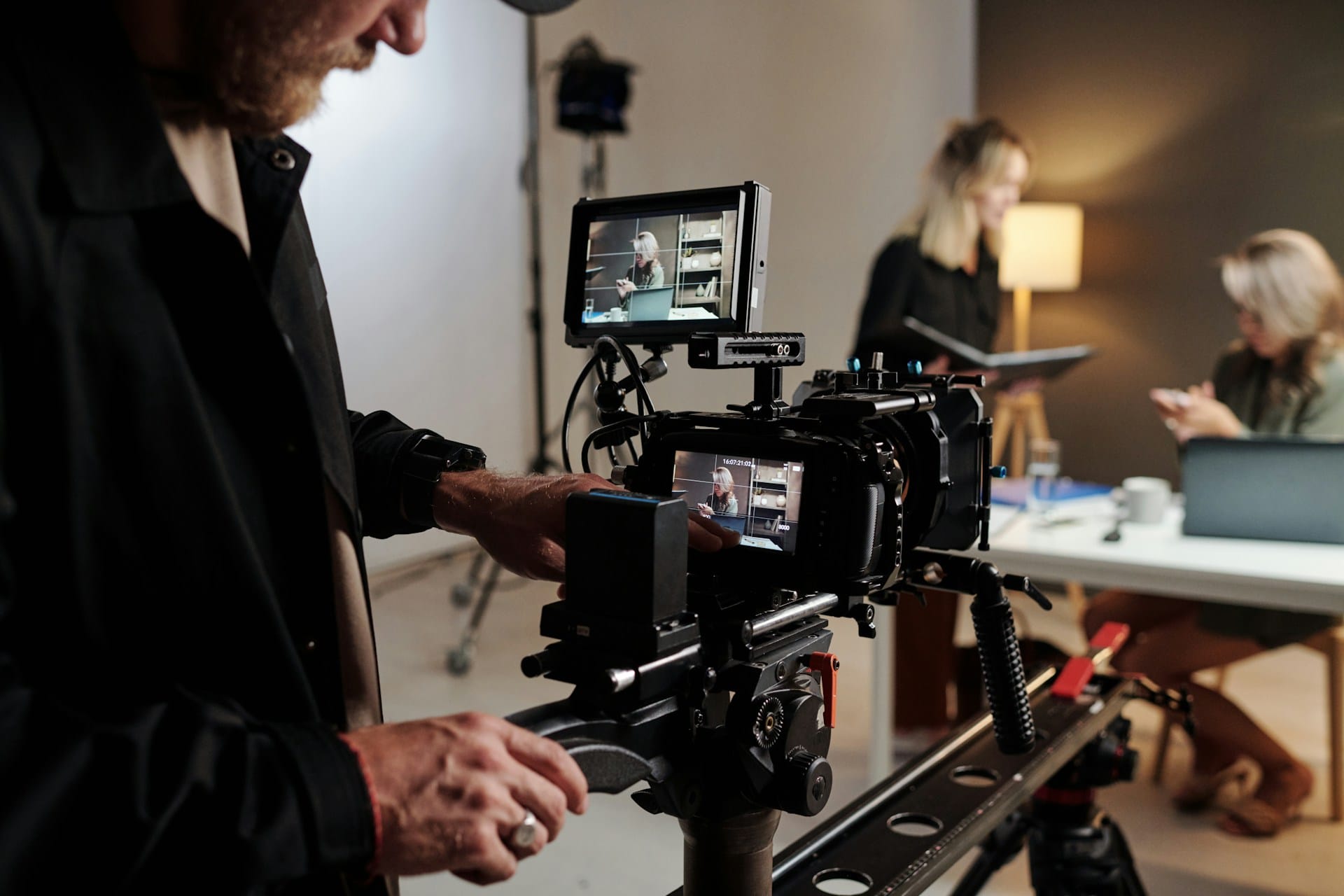
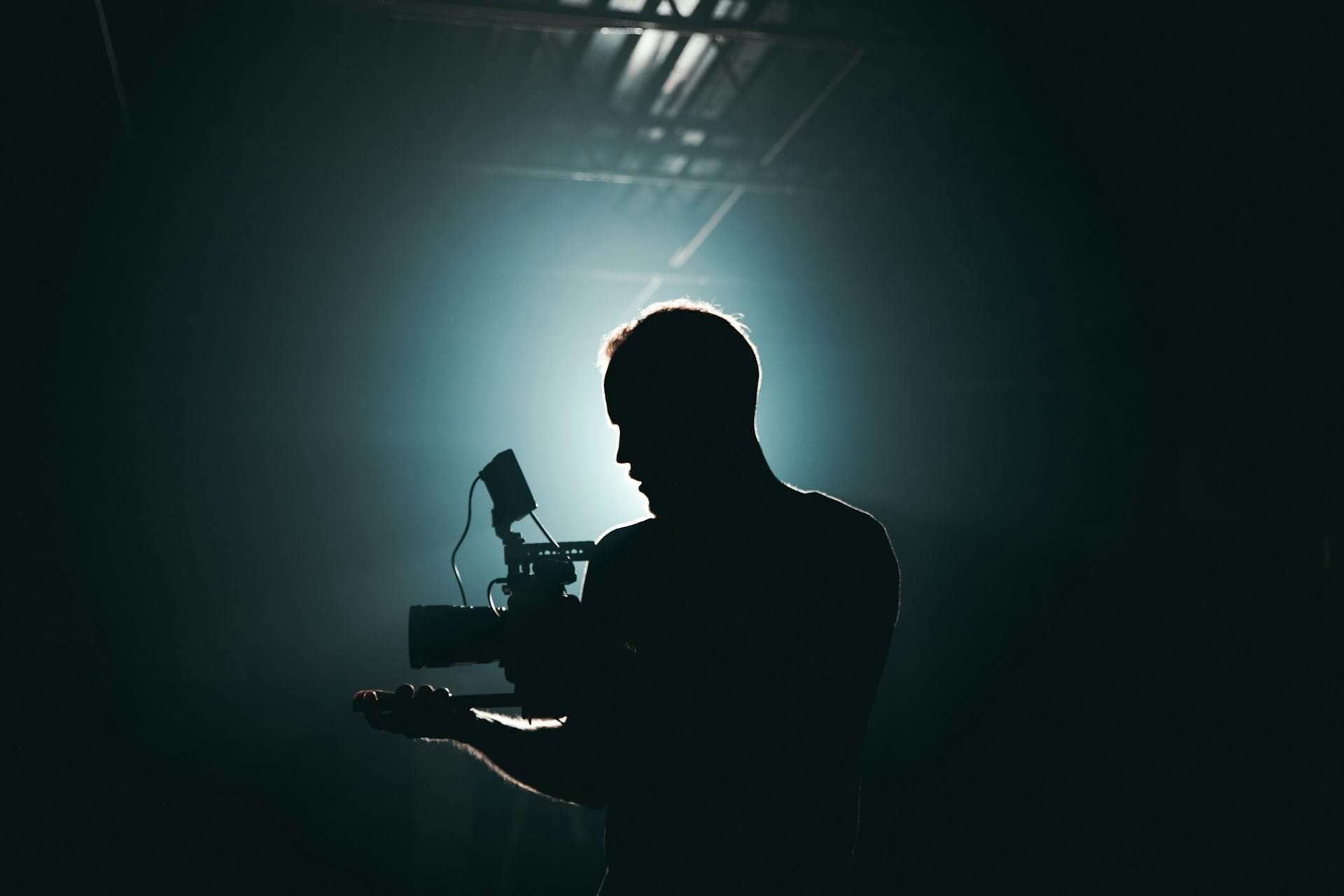
Production in the city has adapted. Agile crews, creator-led scripts, and platform-first formats are shaping what works. Commercial film production in Delhi now means working like a content studio, not like an old-school ad factory. At Restless Media, we build culture-driven films that tap into local cues, youth culture, and digital behavior so brands do not feel out of touch.
What Commercial Film Means in a Social-First World
The idea of a commercial film has changed. It is no longer just a single 30-second hero spot. Now it is a whole content system built from one shoot. Think of it like this: one main brand film that can run on paid and organic, supported by short cutdowns for Reels, Shorts, and Stories. Instead of treating vertical as a crop after the fact, modern production plans vertical-first edits from the beginning. From the same hero scenes, teams also pull out GIFs, memes, and little loops, and add behind-the-scenes or creator clips that give extra context and keep the story alive between posts.
Old-school production focused on one master edit, usually in horizontal 16:9, then tried to crop it for other platforms. Modern workflows start from the platforms you care about, then work backward. That changes what we shoot, how we frame, and what we record on set.
Must-have deliverables for social-first brands now include:
- 9:16 vertical as the primary format
- Strong hooks in the first 1 to 3 seconds
- Subtitles that are clear and easy to read
- Creator integrations that feel natural
- Sound-on versions with strong audio and sound-off versions with on-screen text
When you define this early, approvals move faster, timelines stay tighter, and budgets are used smarter. You get more content out of each shoot day without losing quality.
Inside Delhi’s Commercial Film Production Ecosystem
Commercial film production in Delhi is booming for a reason. The city gives you a wide mix of looks in a small radius. You can get narrow Old Delhi lanes and markets, modern glass offices and malls, rooftops with city views, and studios or controlled sets for product and indoor work.
On any project, you will usually work with a production house that runs the full process, along with a director and DP who shape the look and feel. Art and production design teams build the world on screen, casting teams find faces that match your audience, and post-production specialists make sure the pacing and formats feel right for social.
Delhi has its own edge. Many brands sit in NCR, crews easily switch between Hindi and English, and people are comfortable with the kind of code-switching you see online. For social-first work, this matters a lot, because your scripts and tone need to match how people actually talk.
Weather and seasons also affect how we plan. Around June and July, the heat, humidity, and monsoon risk push teams to:
- Prefer early morning or night shoots outdoors
- Keep indoor studios ready as backup
- Plan short outdoor windows for key scenes
- Build schedules that let cast and crew work comfortably
An experienced team will protect your shoot from these issues before they show up on set.
From Brief to Shoot Day and Budgeting Smart
A smooth project starts long before the camera rolls. The usual flow looks like this:
- Discovery call to understand brand, audience, and goals
- Strategy and content thinking around platforms and hooks
- Script, moodboards, and references to align on tone
- Pre-visualization or shotlists to map what we will capture
- Casting, location scouting, and tech scouting for gear and crew
Social-first brands get better results when their brief is clear. Helpful points to lock upfront include:
- Objective: awareness, engagement, or direct performance
- Core audience: who they are, how they speak, what they watch
- Platforms: Instagram, YouTube, or other short-form spaces
- CTAs and brand must-haves, like logos or taglines
Pre-production is where you save money later. When formats and deliverables are fixed early, teams avoid confusion and reshoots. That planning usually means deciding which films are 9:16, 1:1, or 16:9, locking length options like 6, 10, 15, or 30 seconds, defining content buckets such as product, lifestyle, and creator POV, and listing exact deliverables per platform so everyone is aligned.
Shoot days for social content are fast and focused, and teams often cover multiple setups and looks in one day. While the main film is being captured, the crew also grabs extra assets that keep the campaign flexible in post. That typically includes:
- BTS moments that show how the film is made
- Short creator or founder soundbites
- Stills for thumbnails and static posts
- Extra hooks and alt lines to test later in edit
Budgeting sits on top of all of this. Key cost buckets usually include:
- Creative thinking and scripting
- Director, core crew, and production team
- Camera, lights, and sound gear
- Locations, sets, and permits
- Talent, creators, and styling
- Post-production, graphics, and platform-specific edits
Social-first planning helps use each rupee with intent. Scripts are written to work across formats, multiple looks are shot in the same day, and content extensions are planned from the start. It is less about spending more, and more about planning well. Myths like “social films must be cheap” or “big spend equals viral” miss the point. Smart brands put money where it drives clarity, quality, and volume of usable content.
Native Social Films, Post-Production, and Partner Selection
To feel native, your films have to look and sound like content people already watch. Frameworks that work well on social include:
- UGC-style setups that look casual, not staged
- Creator POV and selfie-style explanations
- Day-in-the-life flows that show real context
- Quick problem-solution formats with strong hooks
- Tiny micro-stories under 15 seconds
Delhi adds its own flavor here. Real locations, everyday language, and casting that reflects local audiences can make your brand feel closer to people without falling into clichés. Creators help by co-writing, improvising lines, and bringing their own communities to the film, so it feels less like an ad and more like content they might watch anyway.
Platform rules shape the final form. Instagram rewards tight pacing and scroll-stopping open frames. YouTube might allow slightly longer arcs, but still needs a strong first three seconds and a good thumbnail. Across all formats, brand identity must stay consistent without overpowering the story.
Post-production is where these choices come together. The usual pipeline is:
- Editing and building different narrative versions
- Color grading for a consistent look
- Sound design with music, SFX, and clean dialogue
- Motion graphics, captions, and overlays tuned to each platform
Early planning makes this faster. Clear file naming, shot logs tied to deliverables, and pre-approved graphic styles reduce back-and-forth. For social-first films, must-have elements often include:
- Bold opening frames with a clear subject
- Quick cuts and snappy rhythm
- On-screen text for sound-off moments
- Brand cues in the first few seconds
- Multiple thumbnail options for YouTube and cover frames
Good teams also treat edit as an ongoing process. Once a few versions go live, performance data can guide small tweaks, new hooks, or fresh cutdowns without needing to shoot again.
When you choose a production partner in Delhi, you want to evaluate a few practical signals. Look for a portfolio that shows platform-native social work, not just TVCs, and confirm they are comfortable with creators and the creator economy. Turnaround matters too, so the team should be able to move fast without losing quality, and they should understand local youth culture and Delhi-NCR nuance so the work does not feel generic.
Useful questions to ask include:
- How have you worked with brands in our space?
- How do you think about edits for each platform?
- Can you share examples where content drove real engagement or action?
At Restless Media, we lean into culture-driven thinking, creator networks, and digital-first storytelling so films feel like they belong in the feed instead of interrupting it. When brands start to see their campaign as a system of films and content bricks, not just one big ad, commercial film production in Delhi turns into an always-on support for their social presence.
Get Started With Your Project Today
If you are ready to bring your brand story to life with cinematic clarity, we are here to help you move from idea to finished film with confidence. At RESTLESS MEDIA, our team will work closely with you to understand your goals, audience, and budget so every frame has purpose. Explore how our commercial film production in Delhi can elevate your next campaign and create content that actually performs. Reach out to us today and let us start shaping a production plan tailored to your business.