Turn Mumbai’s Chaos Into Vertical-First Clarity
Vertical video is no longer a side format; it is the main screen. When your audience scrolls through feeds, the entire phone is a 9:16 canvas, and your brand either fills it with intention or gets cropped into noise. That is why planning vertical-first in pre-production matters so much for any big campaign in Mumbai.
Vertical-first does not mean shooting in 16:9 and trimming later. It changes how you build your shot lists, where you place your subject, which lenses you carry, how your crew sets up monitors, and how you work with creators on set. When this is locked before the shoot, you protect every rupee of your media and production budget.
At RESTLESS MEDIA, we live inside social-first video production in Mumbai. We work with real locations, creator schedules, and the chaos of this city, and we plan content that feels native to Instagram Reels, TikTok, and Shorts. In this guide, we are breaking down three big pillars of vertical-first pre-production: shot lists tuned for 9:16, framing rules that protect every edit, and on-set monitoring that keeps each take ready for feed viewing, plus how creators fit into all of it.
Building Shot Lists That Actually Work for 9:16
Traditional TV-style shot lists often fall apart when you flip to vertical. Faces get cut off, products sit at the very edge, and important background details vanish. The crew still worked hard, but the edit turns into a rescue mission.
A vertical-first shot list treats 9:16 as the default, not an afterthought. At a basic level, you want:
- Hero vertical masters that tell the full action in 9:16
- Mid and tight coverage tuned for Instagram Reels and TikTok
- Punch-in moments that can live as stand-alone Shorts
- Safe variants for different platforms and placements
Instead of just saying “wide of café,” your shot list should spell out how that wide works in 9:16. For each shot, document:
- Subject size, close, medium, or wide in vertical
- Camera angle, eye-level, low, or high, but tested for phones:
- Negative space at the top, sides, or bottom for on-screen text
- Safe zones where captions and CTAs will sit
In Mumbai, shot planning has to respect real space. Many shoots happen in cramped apartments, tiny cafés, and crowded streets. Vertical can actually help here, but only if you plan it.
For example:
- In a small café, vertical masters can stack foreground and background, so you feel depth without needing a huge width
- In a narrow lane, a vertical frame can follow your hero subject cleanly, even when there is chaos left and right
- In local trains or metros, vertical framing can run along the length of the coach, pulling the eye through the shot
If your shot list already calls out these realities, the shoot day moves faster, and every frame is usable for social.
Framing Rules That Protect Every Platform Edit
Once you are shooting, you need simple rules so no one accidentally frames for TV while thinking of vertical. These rules act like guardrails for directors, camera teams, and creators.
We like to keep it clear and simple:
- Keep the hero subject inside a central vertical band, not hugging the edges
- Protect roughly the top and bottom 15 percent for UI and captions
- Do not put key action at the extreme edges of the frame
Face and product framing in 9:16 is its own art. On a phone:
- Eye lines should sit a little above center, not at the very top
- For close-ups, crop at forehead and mid-chest, not at the chin
- Hands holding products should not float at the very bottom, where captions will cover them
- Logos and key labels should sit in the clear zone, comfortably away from UI buttons
You also want framing that can still adapt to 1:1 or 4:5. That means composing with dual-safe zones in mind, where the core subject stays strong even when the sides are trimmed a bit.
In Mumbai settings, framing rules save you when chaos hits:
- In tight interiors, keep vertical leading lines like door frames and shelves to guide the eye to your subject
- On busy streets and markets, let buildings, stalls, or railings create natural borders that keep the hero clear
- With trains, flyovers, and traffic, use those vertical elements as depth cues, but never at the cost of losing your main subject in the mess
When everyone on set knows these rules, each shot arrives in the edit already protected.
On-Set Monitoring That Keeps Every Pixel Honest
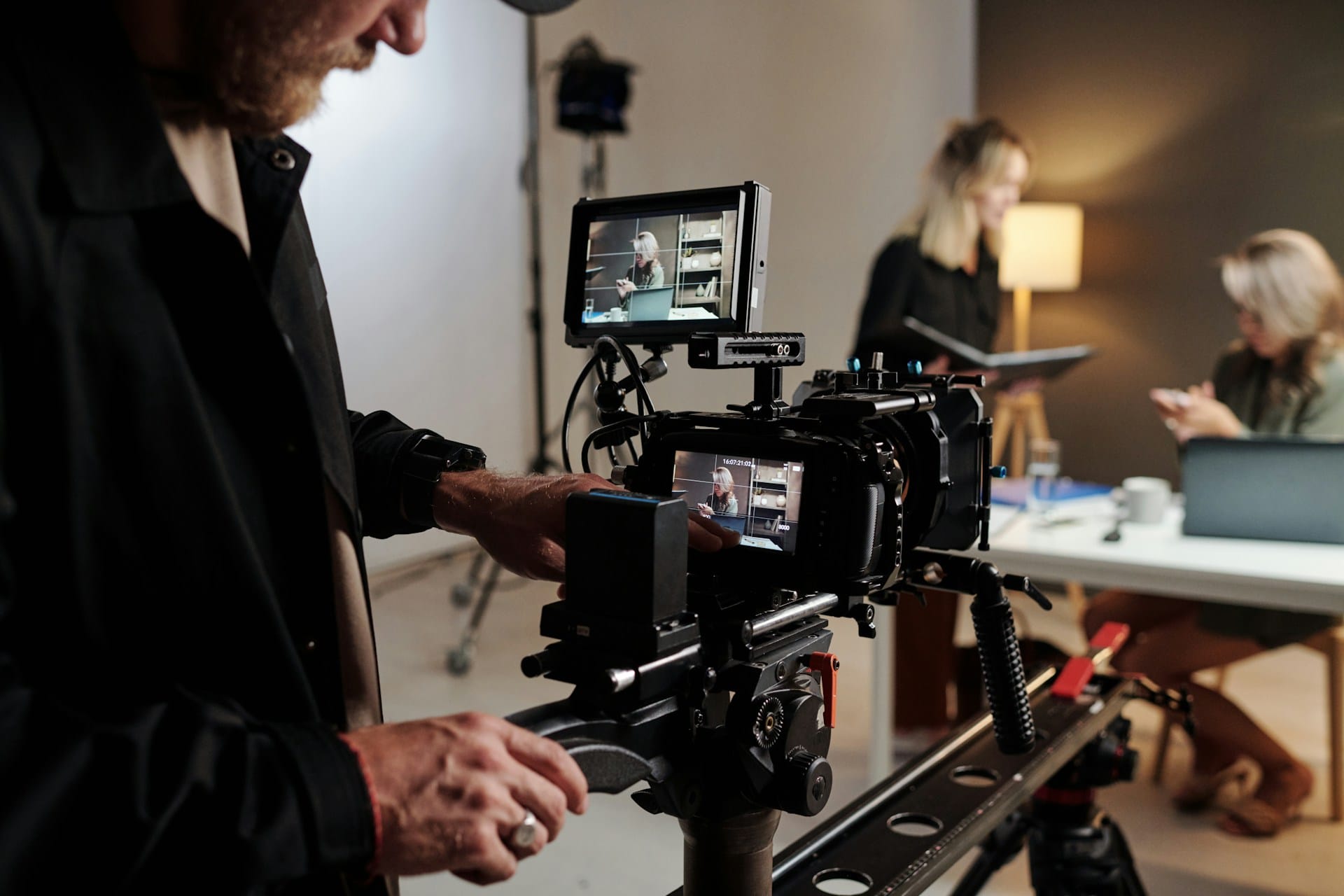
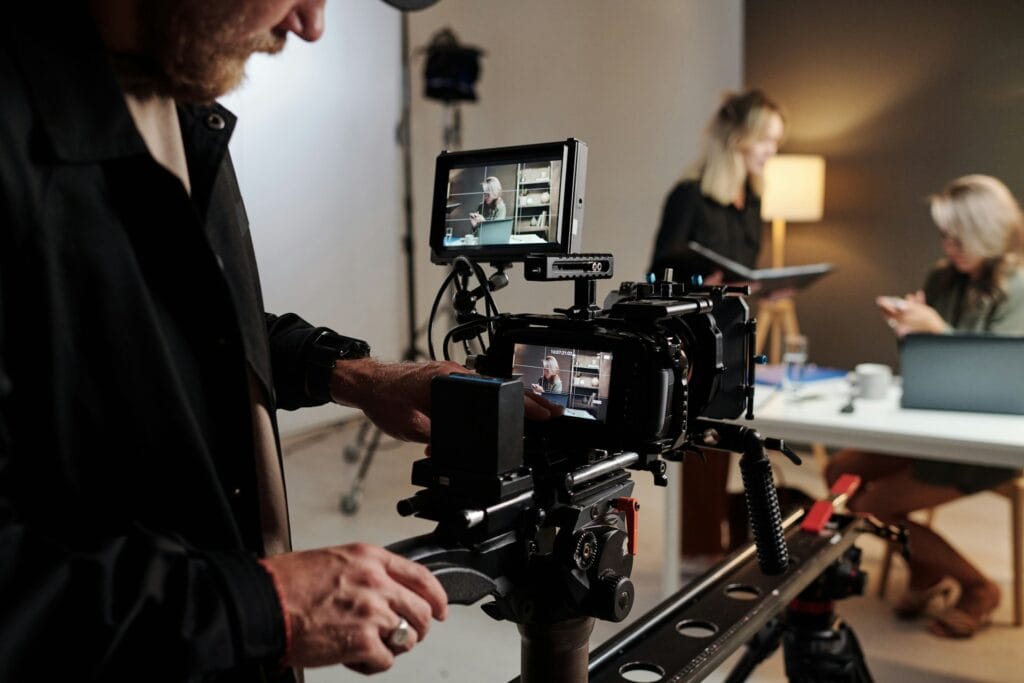
If your monitors only show a full 16:9 image, you are flying blind for vertical. People on set feel happy, but the editor later discovers that the top of the frame is chopped and the product is hiding under a caption bar.
A vertical-first monitoring setup changes that. You can:
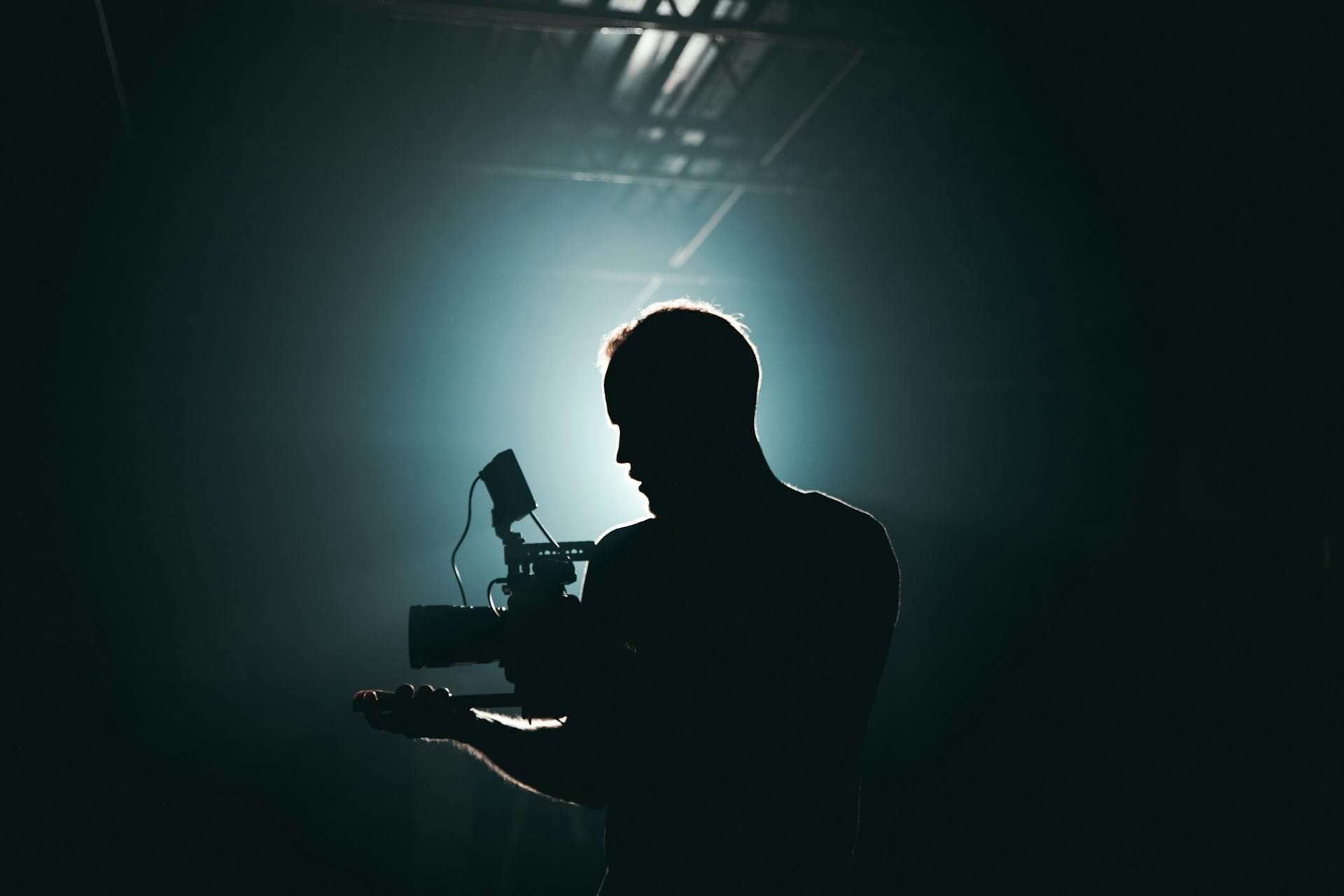
- Rotate the camera or use a virtual 9:16 crop in-camera
- Add 9:16 frame guides on on-set monitors
- Run live previews to phones, so clients and creators see what the audience will see
On set, this becomes a simple workflow:
- Script supervisor checks that dialogue, actions, and transitions stay inside safe vertical zones
- Producer and creative lead watch with text overlays in mind, where will hooks, subtitles, and CTAs land?
- Time-coded notes mark takes for different platform cuts: the main Reels edit, the Story variant, and the Shorts version
For social-first video production in Mumbai, this kind of monitoring is almost like insurance. Locations are busy, traffic permissions are specific, and the weather can flip fast. You do not want to return because a key logo sat under the platform UI.
When monitoring is aligned with 9:16 from take one, the edit moves faster, and your team spends more time crafting story, not fixing technical framing mistakes.
Collaborating with Creators for Native 9:16 Storytelling
Creator-led campaigns work best when creators are part of pre-production, not just asked to “add something fun” on the day. They live inside platforms every day, and they understand what hooks, transitions, and pacing work in vertical.
Bringing them into shot listing lets you:
- Design scroll-stopping first three seconds with clear moves and gestures
- Plan in-camera transitions that use the full height of the frame: wipes, turns, jumps
- Match eye-lines and pointing gestures to where polls, stickers, or buttons will sit on the screen
We see this all the time while working in Mumbai. Creator schedules are tight, traffic eats hours, and locations can change last minute. Vertical-first planning plus creator input helps you build modular scenes that can be re-ordered or reused.
Good prep might include:
- Building a bank of b-roll around city icons, trains, streets, food spots, and monsoon skies
- Planning simple backdrop setups that can travel quickly between locations
- Designing beats that creators can repeat across multiple versions without feeling forced
When brands, creators, and a specialist crew think together early, the end result does not feel like a TV ad chopped for vertical. It feels like it was born in the feed, because it was. That is the space we work in every day at RESTLESS MEDIA, turning Mumbai’s chaos into clear, culture-driven, vertical stories.
Get Started With Your Project Today
If you are ready to capture attention where it matters most, we are here to help plan and produce content that actually moves your audience. Explore our approach to social-first video production in Mumbai and see how RESTLESS MEDIA can align strategy, storytelling, and platform-native creativity. Share a bit about your brand, your goals, and your timelines, and we will map out a clear, practical production roadmap together. Let us turn your next brief into scroll-stopping video your audience will actually remember.